

 This is a common sense guide to get the basic understanding of vapor transmission. This, short, to the point, article is to open the door of understanding about an issue that not only plagues resinous flooring but any sheet-good or barrier type flooring installed over concrete. To grasp a general understanding about this problem, you have to travel back in time (at least in the resinous flooring industry). This “problem” is a relatively new one to the industry and did not become a “common” problem until about 10 – 15 years ago. While I am sure there is science to explain why this problem did not become better known, my opinion is two-fold. First, the advances in admixtures for concrete that allowed for placement quickly and easier with less cracking, also affected the internal makeup of the concrete matrix, creating capillaries where moisture can either get trapped, or transfer through the slab more easily. The second, is the regulations on resin manufactures by the EPA; the reduction of solvents does not allow for the products to penetrate as deep into the concrete for a proper mechanical bond. Another probable reason added on top of these two, is the increased speed of construction and the inability of a slab to properly cure before being put into service.

While there are easy to understand reasons for this problem, like the lack of a vapor barrier under the slab, underground water, or leaching from improper drainage. The most common problems seem to be on new construction with a vapor barrier, and on concrete that has cured more than 28 days. Most contractors follow the specifications, yet are still unable to achieve the low reading of 3 pounds of pressure required by most resinous flooring manufacturers. This very low threshold is somewhat arbitrary, and most of us that have been in the industry for a while know that it is unusually low to cover the liability of the manufacturers. To confuse the subject more, nobody can decide on a testing method.
Off the top of my head, there are four arguable tests to measure vapor transmission:
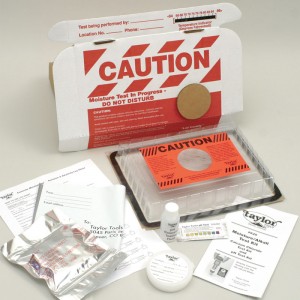
- The sheet Test: This is an actual ASTM test used where you tape a sheet of plastic on the concrete and measure the amount of moisture that accumulates under the plastic over a period of time. This test works, but has no actual quantitative value. While it can identify a problem, it cannot identify the severity of the problem.
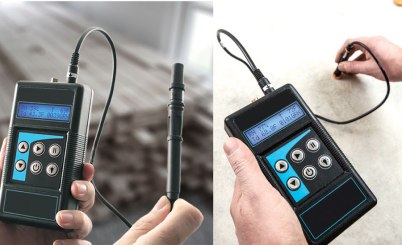
- Surface Test: Tramex is a popular manufacturer of a surface test that measures the % moisture content of the slab; this test is used by many wood flooring installers.
- RH (Relative Humidity) Test: This test us the newest of the tests, and it measures the relative humidity 3/4 through the slab; it gives a good reading of the curing process of the concrete, but does not give a picture of moisture movement.
- Calcium Chloride Test: This test is very common among flooring contractors and was originally used by roofers to measure moisture movement. This test measures the amount of movement over a period of time but does not measure the % of moisture in the concrete; this test tells you nothing about the curing process, but gives a good picture of moisture migration over time.
If you are confused, then welcome to the club. Most of these tests cost more in time than effort, because they can take unto 60 hours to complete. You can quickly see that it would be hard to do every test, and that any one test might not give you a complete picture of what is happening in the slab. As a contractor, you learn the signs to look for and complete the test that will give you the highest chance of success unless you are required to do specific testing by the job specifications. Many contractors have added vapor control primers to their bids to cover possible problems and eliminate some of the risk involved with moisture problems.
This information is a very brief summary of the testing methods and problems associated with vapor transmission. To properly tackle this subject would take books of technical data that often contradict themselves. There are some very important things to consider when faced with this problem.
Always test if you are using epoxy, MMA, or any other resin-based system. Use a vapor primer whenever you are aware of possible problems, including accelerated schedules. For the most fail-safe solutions, switch to urethane concrete motor systems. Urethane Mortars will not only resist up to 14 pounds of pressure, they can also cure and bond to concrete that has a higher % moisture and in most cases can be installed on concrete that is 7-14 days old.
Moral: Be aware of the issue and plan accordingly; if you don’t want to spend the money now, you might be replacing your floor later. If readings are low when you install a floor, that does not mean that they will stay low; problems can develope and there are no guarantees.


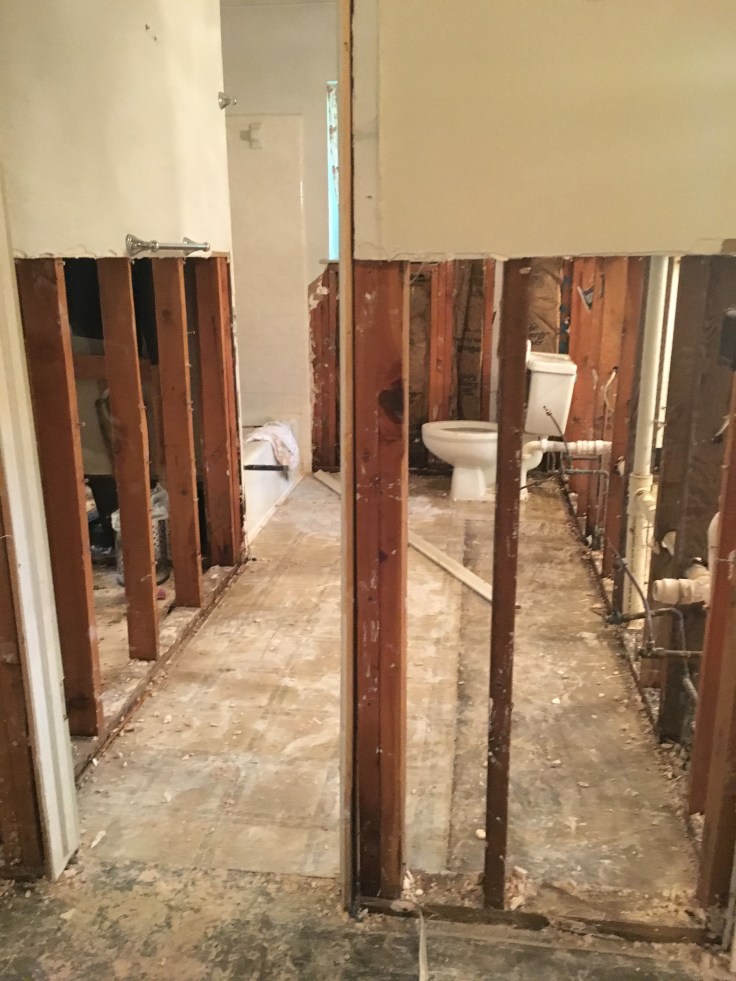



 There will be good news, and there will be bad news; things will be covered by insurance and things will be excluded. It is not the time to bury your head in the dirt and ignore the task at hand. Keep focused on the future and don’t get bogged down in the past, but look at the day in front of you.

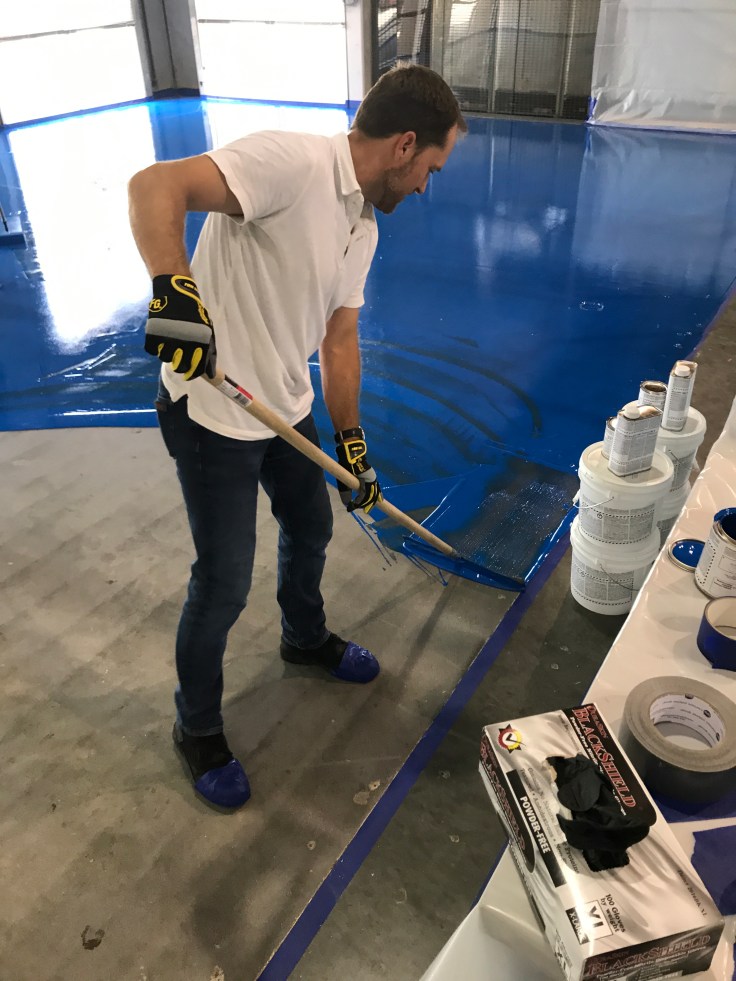


 God Help us … It's August! For many industries, August is just the end of summer and and the middle of the third Quarter. For those of us in construction, especially for those of us that do schools, August in the devil that pays great dividends if you are willing to give up your life for 31 days. Most contractors that work in schools give a deep sigh of relief when school starts.


 If you have ever tried to get a contractor to do resinous flooring or any other commercial finish found in a school during the summer months, you might have had some trouble scheduling work. Due to the high demand of resinous finishes in locker rooms and institutional restrooms, contractors can be scarce in June, July and August. Schools take up much of the resinous flooring labor force for 3 months out of the year and most contractors struggle to complete all of their contracted work. If you are trying to get the best “deal” on a floor and you do not have a pressing schedule, consider enticing contractors by letting them know that the work can be done from mid January to late May. It is not universal, but most contractors are searching for jobs to keep their crews busy during the “slower” months.
 Resin Adviser