
HEB grocery should be the gold standard for how a for profit company handles natural disasters. I don’t usually repost stories, but check out this link.
http://www.wbur.org/hereandnow/2017/08/31/texas-grocery-chain-food-donations
HEB grocery should be the gold standard for how a for profit company handles natural disasters. I don’t usually repost stories, but check out this link.
http://www.wbur.org/hereandnow/2017/08/31/texas-grocery-chain-food-donations

While most of the country has moved on to the next story in the news or back to the usual hustle of their busy lives, there is a whole section of the country who woke up this morning at a neighbors or relatives house because their house was uninhabitable. Many people had to return to work this morning without knowing if their house was going to be replaced and when. As the flood waters from Harvey recede, we are left with the sobering reality that we are all just one natural disaster away from being homeless.

Living in the South, nature has a tendency to remind us that it is in control whenever we are not paying attention. The sad truth is that no matter how much we prepare for the worst, we can never be prepared for everything. As the recover begins it is important to remember that this years hurricane season has just not hit its peak. The task in front of us seems so big individually, and the prospect of recovery seems impossible, but it is important for all of us to get involved in helping. This can happen in so many ways; it could be a small donation through your church or to one of the many reputable relief funds, or it could be donating your time or property to the cleanup effort. Whatever you decide to do, no matter how big or small, be a part of the solution.
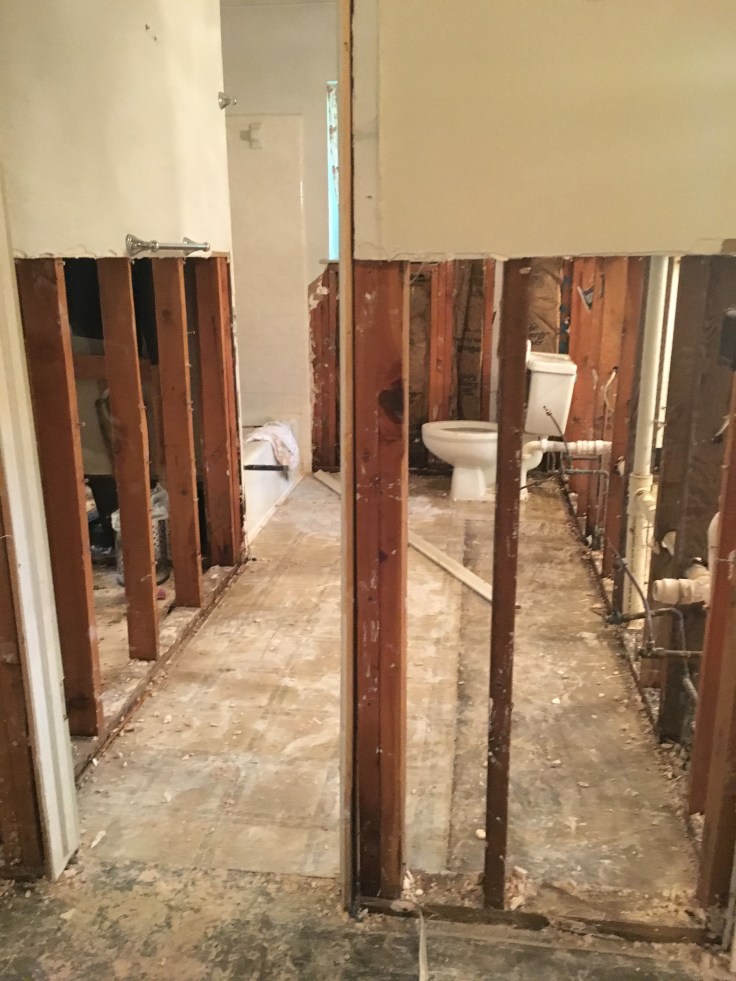
The pictures in this blog did not come from the internet, they were sent to me from an employee in Houston; we are all connected to this destruction in some way. The more people that get involved, the more successful the recovery will be.
Many of our job sites were flooded and are in dire need of repair; businesses need to get repairs done quickly so that people can get back to work. HEB grocery chain, who has been an active part of the recovery effort, lost several stores. One store that we recently finished was covered by 7′ of water when the flood gates were opened from a nearby lake. They, like many other retailers, are trying to get damaged stores open quickly to service the devastated area.

Now is the time as a contractor to do things the “Right Way”. Keep your own people in mind when you decide how to operate; your employees take their ques from the company’s leadership. In a time where contractors will be “flooding” in to take advantage of the situation, local contractors have to stay focused on their customers and not fall prey misguided efforts that take advantage of people. Treat your customers right and they will stay with you when times aren’t tough; when they have a choice.
Even though this was an epic storm, don’t forget that there is another storm right behind it; Contractors need to use this as a lesson about how to keep equipment and people safe. Contractors need to use this as a learning experience to never let our guard down. If we are not able to mobilize quickly to help our customers, then we are of no use to them. We need to be in a position to help and not to be victims ourselves.
Moral: To be a “Part of the Solution – you need to stay focused on your moral compass and be prepared when disaster hits; you may be called upon. You will gain customers that will stay with you long after the recovery if you treat them right.

**Future blogs will include remediation and cleanup: “Lessons Learned” **

As the storms move off and the sky clears, all of the devastation will set in. Now is not the time to sit still and think about what has just transpired (not yet); now is the time for action. There will be time very soon, to reflect upon the weeks events and laugh, cry and mourn about the events that will define Southeast Texas for many years to come. Now is the time to put on the blinders and focus on the recovery journey ahead.
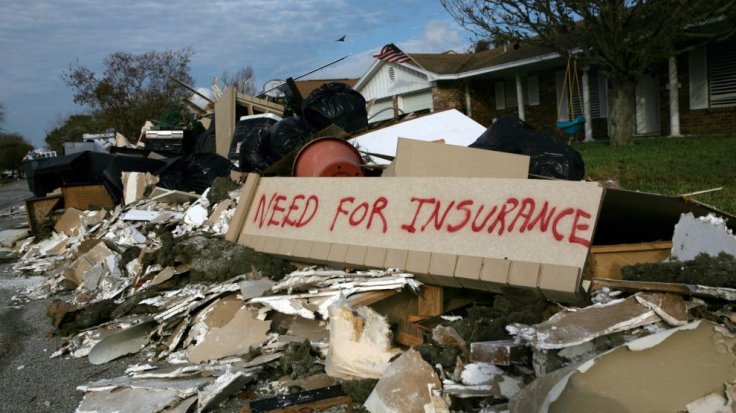 There will be good news, and there will be bad news; things will be covered by insurance and things will be excluded. It is not the time to bury your head in the dirt and ignore the task at hand. Keep focused on the future and don’t get bogged down in the past, but look at the day in front of you.
Now is the time to regroup and realize that you are not alone; people all over the country want to help – let them. You don’t have to take a hand out to take a hand up. Take inventory of what you have, and what you need; reach out to the many groups that are willing to help out right now. There is no shame in accepting help; this is possibly the most catastrophic storm of the century and many people will need help to get their lives back to normal.
My company has already noticed that most of the source of our work comes from the Houston area. The phones have stopped ringing and our schedule that was overwelmed two weeks ago is now sparse at best. While I run an installation company, I consult to help out people who have special needs.
There will be many companies that offer up services to help, and many of them will be legitimate. Please be cautious; Texans are an honest crew, but there are bad apples in every bunch. I will be available for consulting on issues regarding moisture failure on resinous floorings and renovation of existing floors (including delimitation of VCT, Ceramic and many other flooring and wall finishes). Please message me or email me, and I would be happy to help out in recommending the correct resolution to your problems. Many of the commercial and institutional facilities that we service will have issues with tile and VCT that I might be able to assist with. I will work with companies, individuals and architects to solve whatever problems arise.
Moral: Please don’t get taken advantage of, but don’t forget to take advantage of those willing to help out. There is no shame in accepting help! God Bless Houston and the South East Texas and Louisiana region that has been devastated by this historic storm. Good people are willing to help!
10% of All proceeds from consulting work due to this this natural disaster will be donated to the recovery effort.
Please feel free to contact me by responding to to this blog or contacting me by email:
rgibson@decocreteinc.com
resinadviser@gmail.com

As we all watch the tragedy unfold in Texas, Contractors must have a real world view of how to proceed after the storm has receded. While we watch heroes pull people from their flooded houses and cars, we are subconsciously thinking about where we go from here. What will happen to fuel prices and resin prices, and how we will respond after this trauma of the enormous storm has passed?

First, don’t be selfish; keep your greed in check and realize that there is work to be had without taking advantage of the people that have lost their homes and property. While most scheduled work will be put on hold there will be many opportunities to help out; do not be afraid to donate services to get started on helping existing customers and friends. A little goodwill in the beginning will serve all involved well. There will be insurance money to come after the initial work and cleanup begins.
Second, make a plan. It is important to protect your brand, help people, and keep your financial stability intact, all at the same time. These concepts are not opposing concepts; you can do the right thing and protect the base of your company at the same time. I fact, you can strengthen it. No reasonable person expects a contractor to do work for free unless it is specified donation work; help out where you can, and offer up discounts to get new work moving. You can be part of the solution or part of the problem.
Third, make sure you file your own claims and take care of your own people. If you are like many of us, you have people, equipment, and projects in the areas flooded by Harvey. It is important that you don’t lose sight of your own losses. Stay on top of your claims and replace important equipment to service the need that is to come.
Fourth, realize that even though the storm may slow things down temporarily, the damaged property will need to be repaired or replaced. It is important to put yourself in position to service the work that is to come. Do not lose sight of the future; many of the projects that you have completed will need repairs and some will need total replacements. Be ready to serve your customers well, and be fair in pricing the replacement of your installed work. If you are fair, then you will be treated right and you will have goodwill that will lead to jobs in the future.
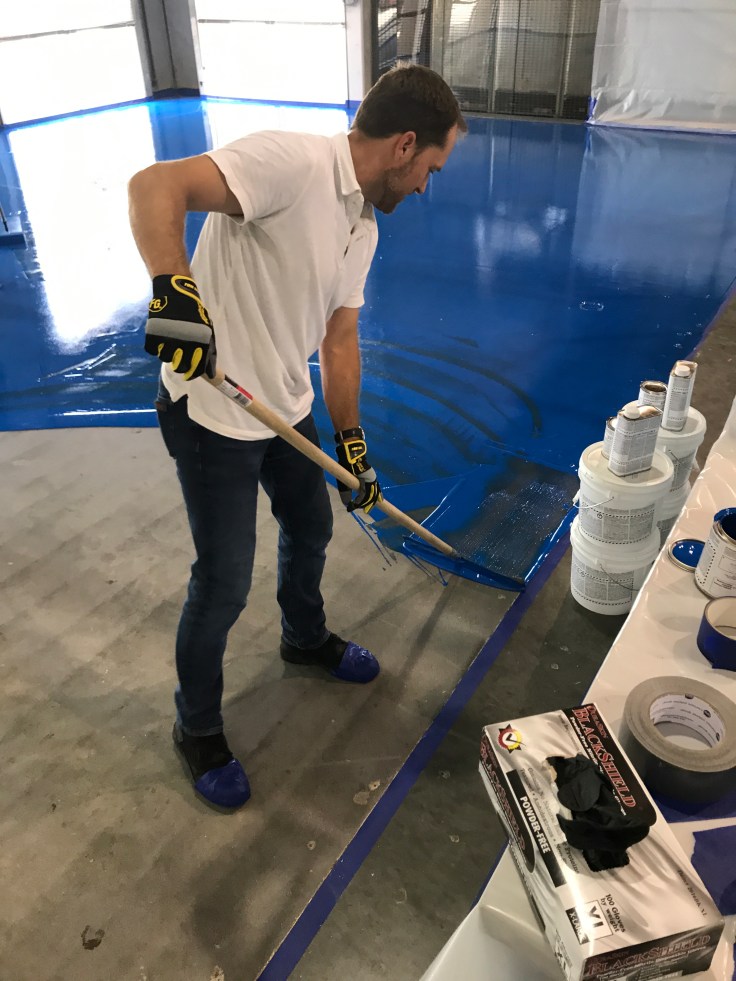
Don’t be afraid to work. Above is a picture of me working last week on a job that my crews could not get to. If you are willing to serve the customer by getting the hard work gone yourselves, your employees will be wiling to go the extra mile to get the work done. Not every owner can get to a job site and work, but it has a visual impact that can motivate both your customers and your employees. It is important that you don’t ask people that work for you to do things that you are not willing to do.
The idea of this article is to emphasize that you can navigate through natural disasters in a responsible way so that you can impact the community positively and protect the core of your business at the same time. It is irresponsible to take advantage of a natural disaster for extra profit, but it is not wrong to protect the core of your business by retooling to keep your emplyees working during a time that might be challenging.
Moral: Don’t panic. Keep to your core beliefs and do not act irresponsibly; you should protect your employee’s pay while helping your customers. It is possible to be part of the solution without losing money. A little help to those in need will go a long way. Don’t get lost – stay focused on the future.

In the resinous flooring industry there is much confusion about what products to use and what you can achieve with each product. I hope that I can clear up some confusion and give a good, real world argument for the benefits of urethane cements. When I began in this industry, Urethane Cements were in a lab somewhere in Manchester, England. We were installing epoxy trowel flooring systems in Grocery Stores because we did not know any better. We knew that what we had was better than Quarry Tile, but we were oblivious to the discovery of a product that would change how we think about resinous flooring in food production.
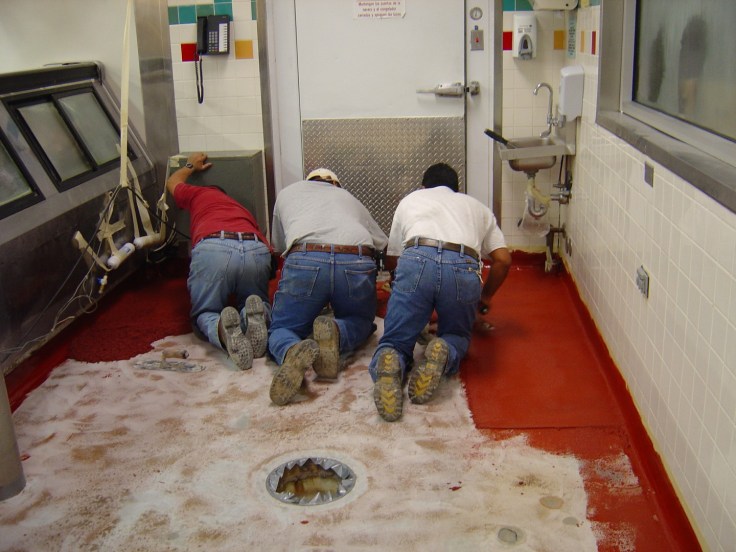
I remember a time 20 years ago, when we installed a beautiful floor in a Grocery Store, and planned on a warranty call sometime before the year was out. We did the best job that we could, but we know that the floor would be damaged around the fryers, the kettles, and the dishwashers. We know that epoxies get soft at 160º and that a kitchen exceeds those temperatures on a regular basis. We decided that it was better to patch a floor in the trouble areas and keep using products that were better than their predecessors, but not good enough. The calculated risk helped change the flooring industry in Grocery and Food production, but did not really solve the problem.
Epoxy companies boasted that their products solved the problem of bacteria growing in the grout joints and under the tile; this was true, but it did not solve all of the problems. While a seamless solution was correct for the industry, the porous base coat of many of the epoxy systems and the low temperature resistance created real problems that needed to be solved. Somewhere around the turn of the century the urethane concrete industry entered the US market. Some of you might remember U-Crete and PolySpec (FlowCrete) as some of the first to enter the US Market.
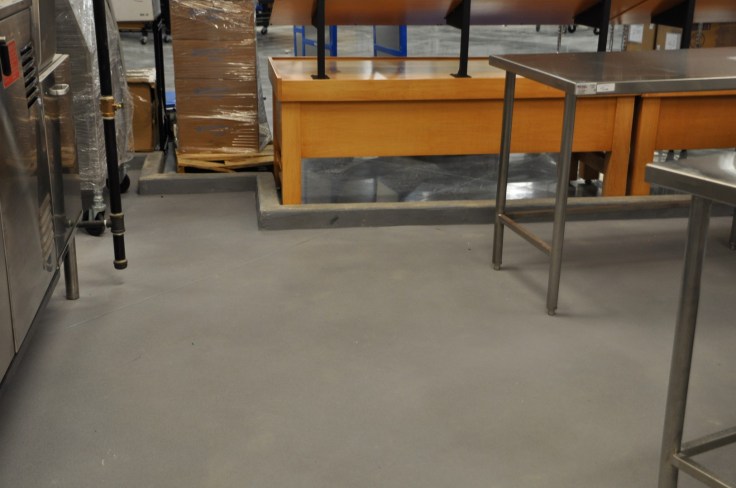
As an florring professional , I followed the progression of materials from Europe through Polyspec and Flowcrete. Many other manufacturers that I have used successfully have mastered the art of Urethane Cements (Verdia, Duraflex, Dex-O-tex, General Polymers, Flowrock). As a product, it is as close to perfect as we have for food production today. It can take over 250º in most cases and expands and contracts at the same rate as concrete; this means that thermal shock does not cause delamination. The technology is actually fascinating.
I will try to simplify this process; if I am off, then please correct me in the comments. This product uses Castor Beans (most manufacturers do) to derive the resin and during the curing process, a by-product of water is produced that is mixed with a very calculated amount of cement in the aggregate component of the mix. It is a genius combination of resin, hardener and aggregate that gives the perfect balance of resinous seamless flooring that will withstand high temperature, low temperature and constant water exposure. This product has virtually the same expansion and contraction as the concrete that it is bonded to; this makes it a perfect fit for kitchens that have dishwashers and kettles that dump hot water on the floor and kitchens that have freezers that require traffic in and out constantly. It also works well for oven proofers, and heavy productions floors. This product bridges the gap between the old epoxy floors that you love and the performance that you have always wanted.
In the past decade, manufacturers have developed systems that can give you the same look you love about epoxy floors in Urethane Concretes. Flake, Quartz, Solid Textures – you can have it all. There is virtually no difference between the look of traditional epoxy floors and Urethane Cements. There are many manufacturers making these products today, but if you want to be safe look toward the ones that have been doing this for a while.
Moral: You CAN have it ALL – when it comes to the perfect floor for food productions and service. Urethane Cements (Concretes) can save you time and money both during construction and for years after.
Check out a few manufacturers:
Please keep looking at the blog – soon I will be adding a description of a product that uses urethane cements and a UV cured Vinyl Ester to make the PERFECT medical research and operating room floors.

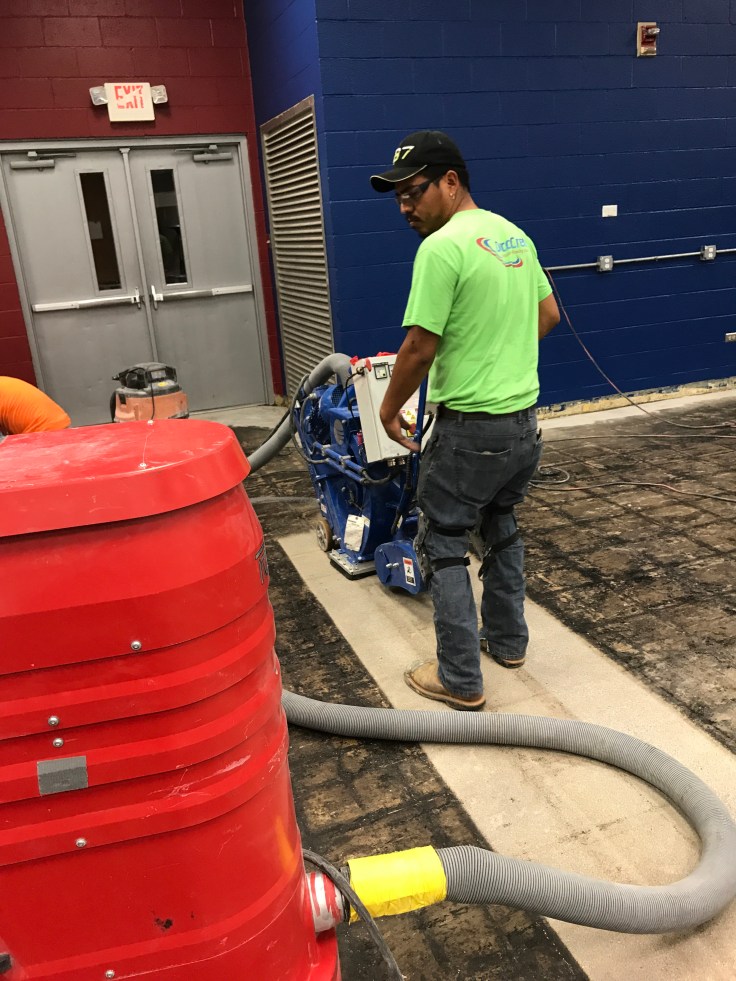 God Help us … It's August! For many industries, August is just the end of summer and and the middle of the third Quarter. For those of us in construction, especially for those of us that do schools, August in the devil that pays great dividends if you are willing to give up your life for 31 days. Most contractors that work in schools give a deep sigh of relief when school starts.
The biggest challenge is to stay focused and maximize your profits while the busy season is at hand. During this time of year it is easy to give way to frantic requests for overtime that will never pay up. You have to balance your payroll with what is going to be invoiced and keep from chasing the shiny promise of profits by people who are unable to approve overtime and change orders. This is the crazy time of year when regular people turn into sleep deprived animals that are willing to say anything to get themselves out of the trap that they are caught in.
KEEP CALM – don't forget that you have a contract (at least you should) and that they need you as much as you need them. Stay focused and don't quit, but do not give up more than you are contracted to do or able to accomplish. If you have read any of my other blogs you wold know that I am a big fan of under promising and over performing.
To all of the pushers out there: stay focused and keep your expectations in check – just because you have over promised your customer the world, does not mean that you can expect your sub contractors to work for free to save your ass.
To all of the overworked subs: Your GC's are stressed and overextended – try to serve them well without giving up your profit. Your goodwill will go along way towards future projects and change orders (If you are working with a good GC). Stay focused and work through the time with a balance of pushing and managing overtime; you will see real results in the next 60 days.
Hang in there and make this the best year ever – if the GC's and Subs would just work together, everyone would profit from the venture – if everyone waits until they are behind, then everyone losses money.
Moral: Plan ahead and know who you are working with – relationships help you through the hard times!

The Trucking industry is holding the construction industry hostage; is it their fault or ours? 
I have seen an evolution of service in the freight industry over the past two decades. One thing that remains the same is that service is unreliable at best. As trucking companies compete for your freight, they try to speed up delivery times and keep their prices competitive. As an outsider looking in, the process of shipping LTL freight seems very inefficient. They can move a pallet across three states and have it change trucks three times and sit at each terminal for hours in a half loaded trailer. I know they have a very complicated logistics model to work with and that they have to maximize the load in each truck, but it just seems off. Logistics is not the only issue that plagues the trucking industry, fuel prices can destroy a company instantly.
I sympathize with the trucking industries reliance on fuel prices and how their bottom line can change with one embargo or terrorist event. A hurricane or an oil spill can take a freight company down quickly when fuel doubles overnight. Resinous flooring materials can be similarly impacted by oil prices; most resinous products are manufactured from oil based resins that are sourced from all over the world. That is one reason why the urethane cement market has grown so rapidly in the past decade. With a volatile fossil fuel market, it is nice to have a product line that is not directly dependent on the price of oil. Freight, as with many industries, relies heavily on the market price of oil, and with the pressure of turning a profit they have to manage the movement of their trucks in the most efficient way possible.
The real question is, “does our expectation of freight drive the problems we are dealing with”?
We live in a society that wants to rush all of the time; we hurry up and finish projects that sit unused for months, or we set unrealistic deadlines and hold everyone else accountable to meet them. Trucking is the tip of the iceberg, but the expectation of unrealistic service has led the industry to make promises that it cannot keep. Try specifying a lift gate for a delivery; you might have a 50% chance of having one. My point is simple; when a customer asks for the impossible, have the courage to tell them that you cannot do it and then give them a reasonable solution that is obtainable. If the freight companies added a day to there delivery maps and forced everyone to plan ahead, we would all receive fright when we expected it and everyone would be better off. We might stop living life one emergency to another.
Moral: Companies should learn to manage expectations on both the ends (the company and the customer) and not to promise the impossible. It is possible that we (I include myself) could live a little more stress free if we managed expectations with our customers better.

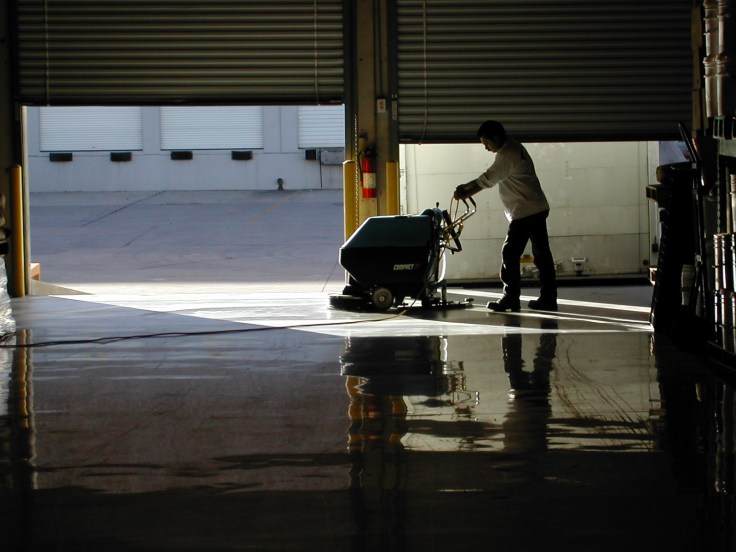 If you have ever tried to get a contractor to do resinous flooring or any other commercial finish found in a school during the summer months, you might have had some trouble scheduling work. Due to the high demand of resinous finishes in locker rooms and institutional restrooms, contractors can be scarce in June, July and August. Schools take up much of the resinous flooring labor force for 3 months out of the year and most contractors struggle to complete all of their contracted work. If you are trying to get the best “deal” on a floor and you do not have a pressing schedule, consider enticing contractors by letting them know that the work can be done from mid January to late May. It is not universal, but most contractors are searching for jobs to keep their crews busy during the “slower” months.
Keep in mind that if a contractor has an open schedule in the busiest time of year, there may be a reason. It is important to not only consider the time of year that the work is to be done, but also consider the body of work from the contractor that you are selecting. One of my favorite quotes is, “you cannot afford the low bidder”. If quality is a priority (and it should be), then even though you search out the best deal based on schedule, you may have to pay a little more for quality work.
Most major installers that have the man power to handle the workload are working for a combination of General Contractors and Owners. In most cases, General Contractor work pays between 45-60 days depending on the project, and many schools projects don’t fund retainage for nearly a year. If you are willing to pay for materials up front and fund completely in less than 30 days, a contractor will be motivated to consider a better price. Keep in mind that most contractors are on a 30 day term with their material suppliers; during busy times, their credit line can hamper the ability to load their schedules. Paying materials up front or upon completion can be a real motivator.
To sum it up; if you can wait until schedules are slower and you are willing to pay in full in less than 30 days, you might be able to score a better deal from a reputable contractor.
 Resin Adviser