
The lack of planning in the construction industry amazes me; with all of the meetings and scheduling software used, people still don’t talk to each another to solve problems before they occur. This industry is plagued with a reactionary cycle of dealing with issues one emergency at a time. I have done internal research and discovered that working with the same General Contractors on the same type of job is much more profitable than working with new teams on different types of projects. I have used this information to help promote a better profit model for the future. The problem with our industry, is that we are drawn out of our comfort zone to chase work to feed the “machine”. It is necessary to build up a backlog, and that sometimes leads contractors into uncharted territory. While it is not always controllable, working on jobs that are consistent and predictable can add to productivity; when consistency is not possible, planning ahead is necessary.
Don’t fall pray to the usual pitfalls! It is easy to get stuck in the rut of business as usual during the inertia of a busy schedule; however, when you have to retool and move to a different job, you must look at it with a fresh perspective. In our industry, one of the common issues on many of our jobs is the floor slope; as a flooring contractor, we do not bid sloping a floor into the price of a job because it is the responsibility of the concrete contractor. Unfortunately, the slope usually does not get checked until we arrive on the job-site. I am amazed at how many concrete contractors are not held accountable for slopes that are clearly marked on project plans. Flooring contractors usually get the undeserved privilege of breaking the bad news about how much it will cost to correct the problem to the General Contractor. Why is a floor with a drain not inspected for slopes? Because the construction industry is still operating on a reactionary production model rather than a preventative model. This is just one example of how communication and planning can save a projects budget one solved problem at a time.
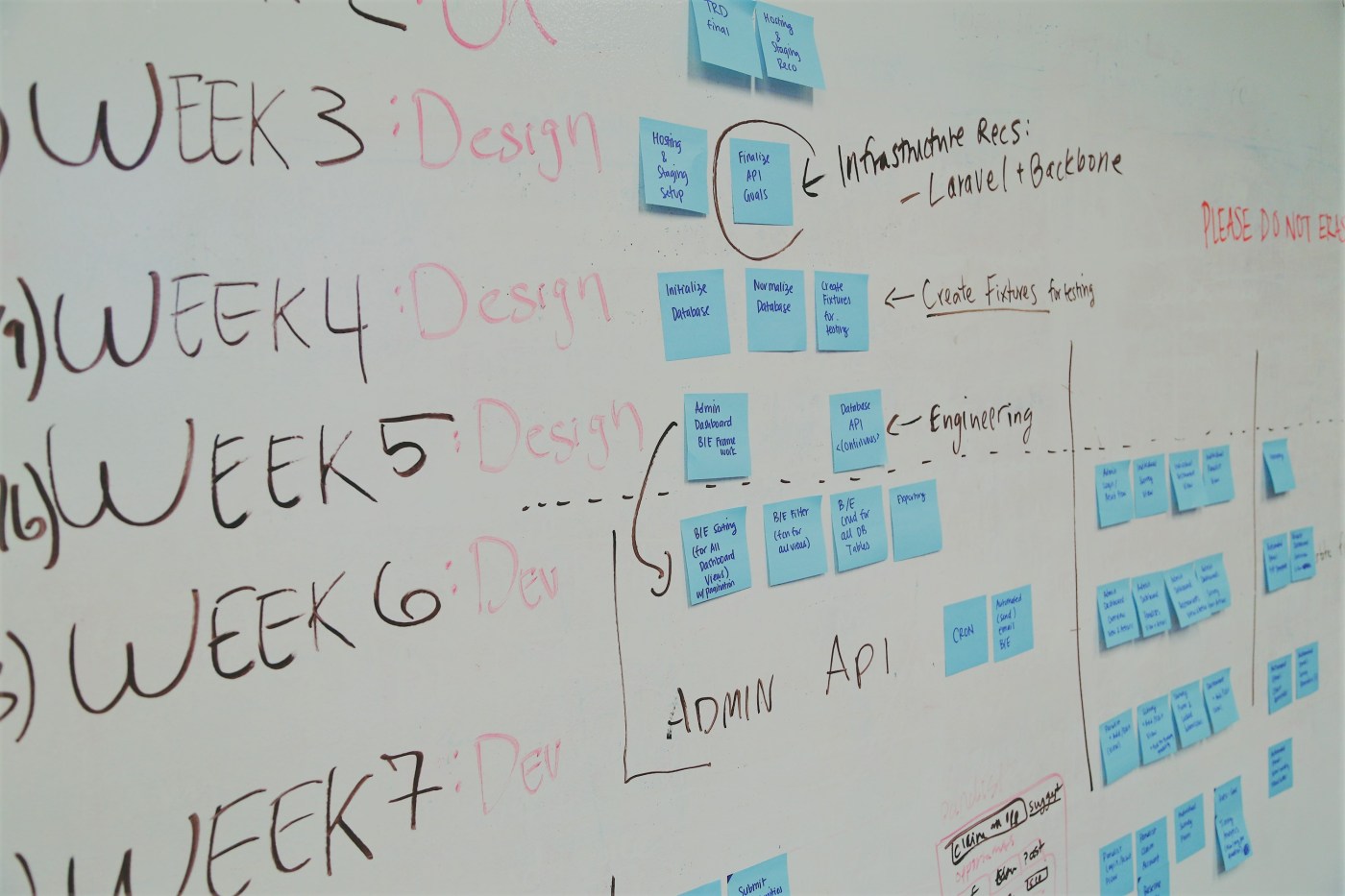
There is hope. Many projects today are being planned with “pull planning” meetings, where subcontractors get together and work out the details of there scopes by using sticky notes on a white board. This process sounds archaic, but the process works well and helps subcontractors react to possible conflicts before they happen. In projects that utilize this type of communication, many pitfalls are avoided. If the concrete contractor and the flooring contractor talk about the floor drains and slopes prior to construction, the costly slope repairs can be avoided. Unfortunately, subcontractors are not always in control of the schedule and get trapped installing their products at the wrong time, or get their products damaged by other workers due to poor planning. There is a solution…

What Can You do?
- You can plan ahead, when everybody else does not: Even thought the companies around you don’t plan ahead, you can stand out to your customers by showing up when you are expected and planning pre-construction site visits to make sure that you have all of the details covered before you begin a job – even if (especially if) they do not ask for you to visit the site prior to beginning.
- Keep a list – if you cannot remember it in your head: No matter what your trade, you have some important things that need to be completed before you arrive on a job. If you are not the type of person that can remember it all, keep a list. Do you need permanent lights? Do you need HVAC running? What are your power requirements? What does your trade require? If you make sure the job is ready, you will save yourself money and the General Contractor wasted time.
- Don’t compromise: When it comes to providing a superior service for a reasonable price, you cannot compromise on your requirements. Many contractors find themselves in trouble when they are convinced to start a project to early, or perform work that was outside of the original scope without proper approval. Even the best Superintendent will sometimes get their backs up against a wall and approve something that is unauthorized to get a project moving or finished on time. Don’t fall victim to compromising on something that is going to negatively effect your finished product or bottom line.
- Hold your ground: When it comes to change orders and pre-project planning, hold your ground. You are the pro at what you do; do not let a General Contractor or another sub convince you that they know your products or service better than you do.
- Ask for a meeting: This is different from #1; beyond utilizing per-construction site visits, ask to meet with other sub contractors that might have an impact on your work. If you are not working on a job with “pull planning”, do your own planning. Ultimately, you are responsible for your finished product.
Moral: “an ounce of prevention is worth a pound of cure” In the resinous flooring industry, like many other trades in construction, we are faced with enough problems internally; we do not need to let outside influences compromise our work quality. If you give into the pressure of a rushed schedule or a poorly planned project, your final product will be compromised. Be uncompromising and deliver consistent quality, and all of your customers will appreciate it when the project is closed out. In the end you are only as good as your finished product.
 Resin Adviser
Leave a comment